Creatures / Combat
Second Skin
Read the creature before it strikes.
Watch a creature turn its head before its body follows. Hit it hard enough and its armour breaks or a limb gives way. Second Skin rebuilds six enemy families and changes how each one moves, sounds and falls.
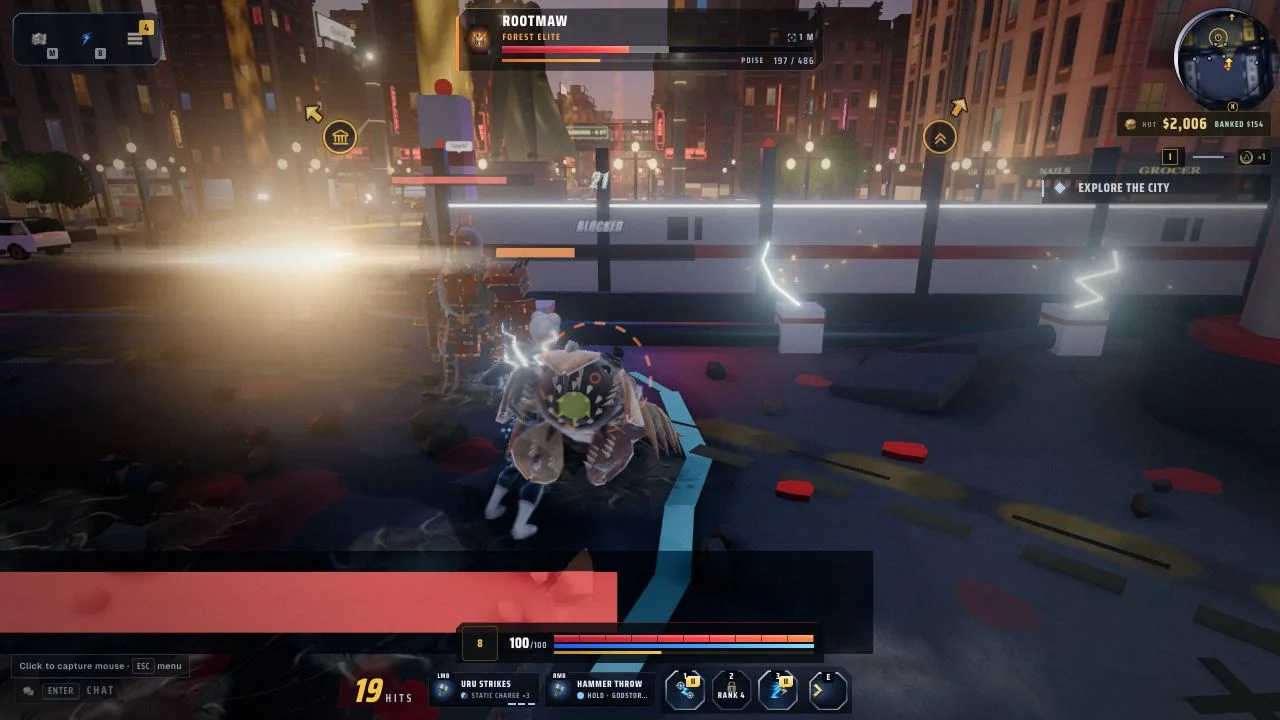
Field footage
The forest comes to Signal Square.
Watch the pack through the opening exchange. The creature’s stance, head movement and recoil carry information even before you read its health bar.
A sequence of timestamped frames from the local Chromium release playtest, shown at their recorded intervals. The tester spawned the creatures in Signal Square for comparison. The capture samples the action at a low frame rate.
Field guide
A zombie and a Kryth should move differently.
Zombies wear their weight in their posture. Kryth have violet chitin under bone armour. In combat the two families now react and break apart according to their material.
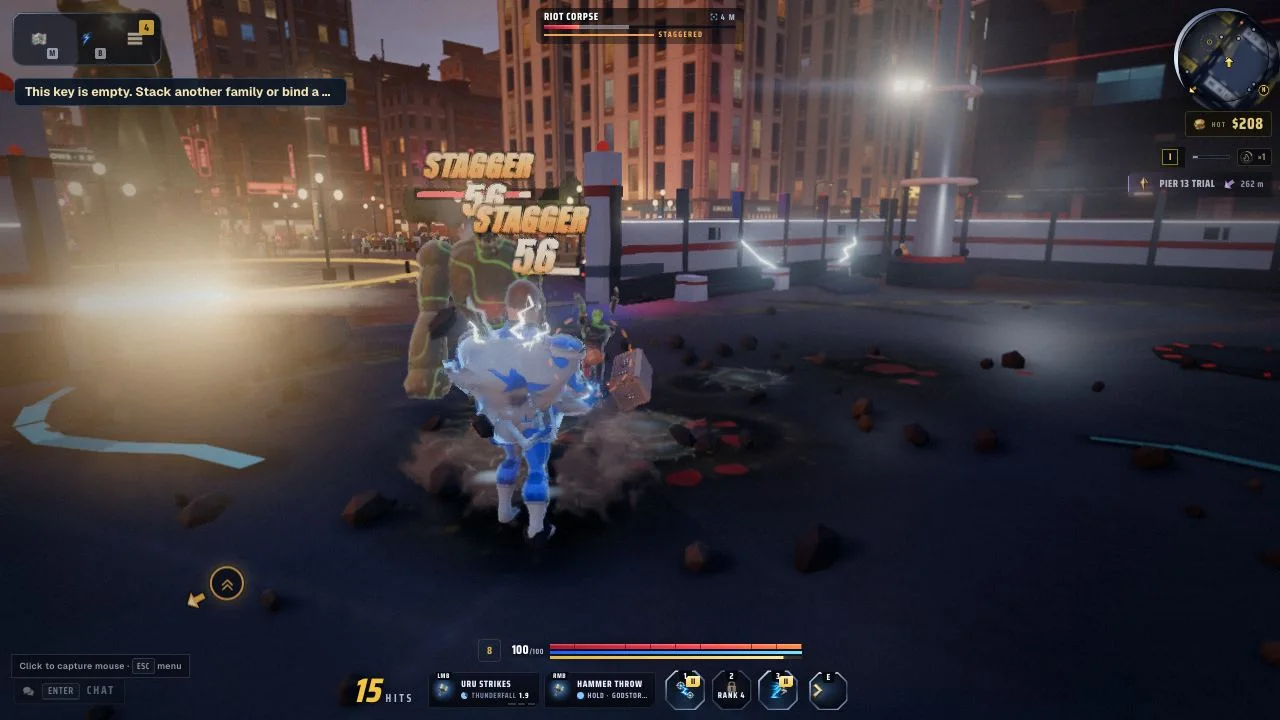
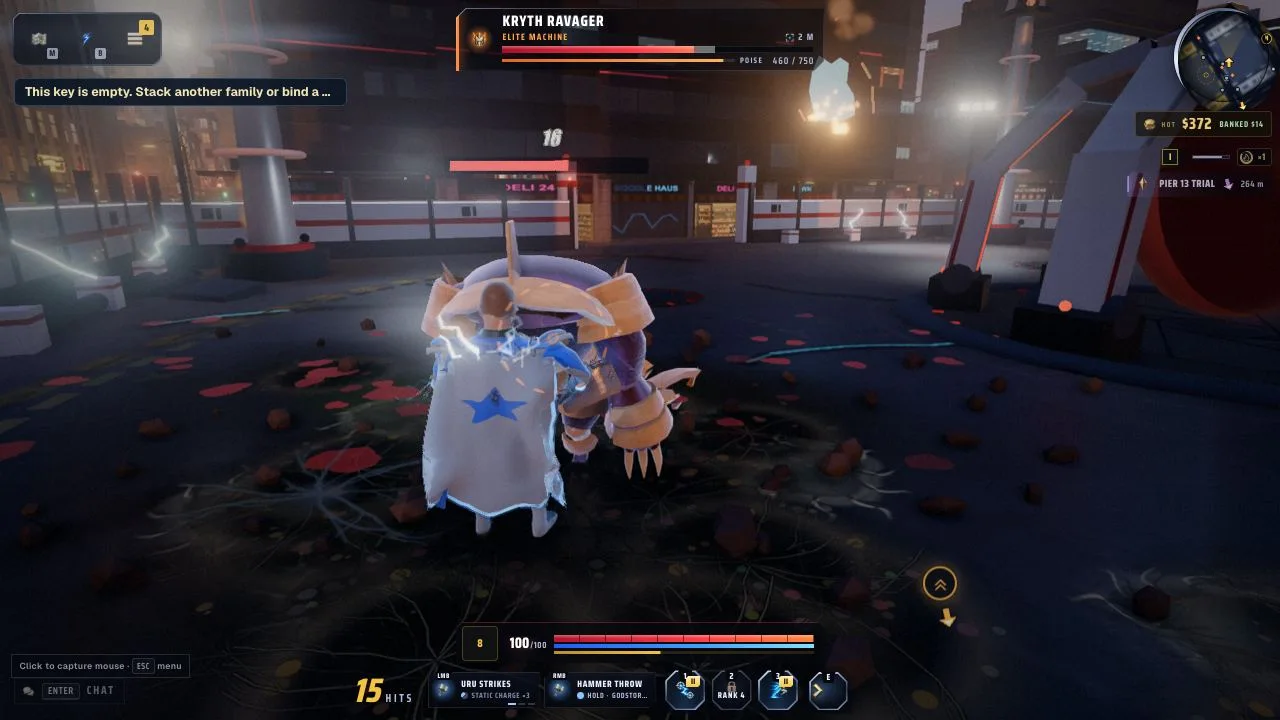
The details
Everything in v1.18.
Six families rebuilt
Zombies, Kryth, urban enemies and Legends, Wild Streets animals, Dark Forest creatures and the candle, paper and tide courts get new bodies. Each rebuilt model also has a lower-detail version for distant encounters.
Movement between attacks
On 102 creature types, heads track the player, chests breathe and loose parts follow the body. This motion yields during attack tells so you can still read the incoming move.
Weak points, armour and limbs
Around 200 heavy body types now react to the size of the blow, freeze briefly on big hits, shed armour and limp when crippled. The room adds 85 weak-point entries and 37 cripple entries. Urban elites and Legends can expose a focus core for extra damage.
What falls to the ground
A killing blow can drop, break or obliterate a body. Bark, bone, wax, paper, armour and chitin come apart differently. Nine synthesised family timbres distinguish creature calls and impacts. Rewards and XP stay the same across the three death tiers.
New to Z13? Build your first hero and play your first mission →